

Mechanical vs Manual CPR: Beyond the Controversy – A Focus on Chest Compression Quality

High-quality cardiopulmonary resuscitation (CPR) remains the cornerstone of cardiac arrest management. Despite decades of technique and protocol improvements, survival rates after out-of-hospital cardiac arrest (OHCA) remain low, varying from 5% to 50% depending on studies and contexts. In North America, the incidence of EMS-treated OHCA is estimated at 52.1 cases per 100,000 person-years [1]. More […]
Pediatric Bradycardia Management in Emergency Medicine: A PALS-Based Approach
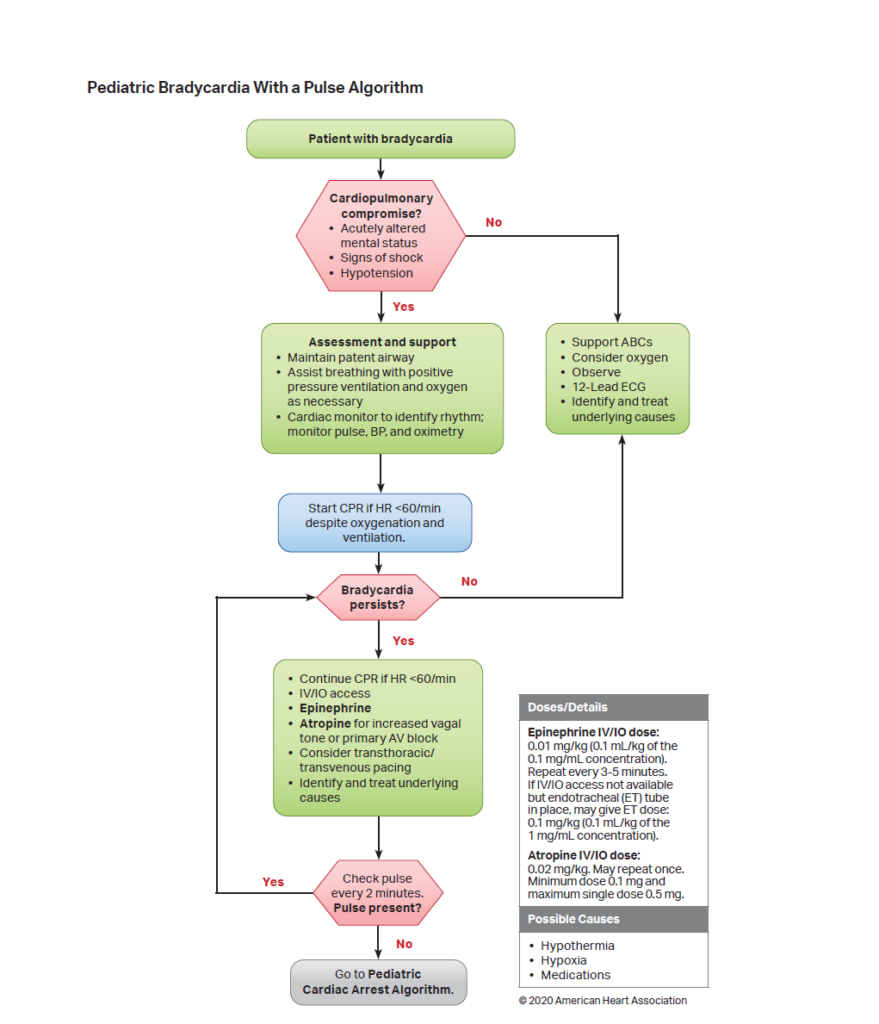
Symptomatic bradycardia represents a critical medical emergency in pediatrics, requiring rapid recognition and appropriate intervention. Unlike adults, bradycardia in children is most often respiratory or hypoxic in origin, highlighting the crucial importance of the sequence of interventions. According to American Heart Association (AHA) data, approximately 16,000 children suffer cardiac arrest annually in the United States, […]
Adult Cardiac Arrest ACLS Algorithm: Complete Guide for Emergency Physicians
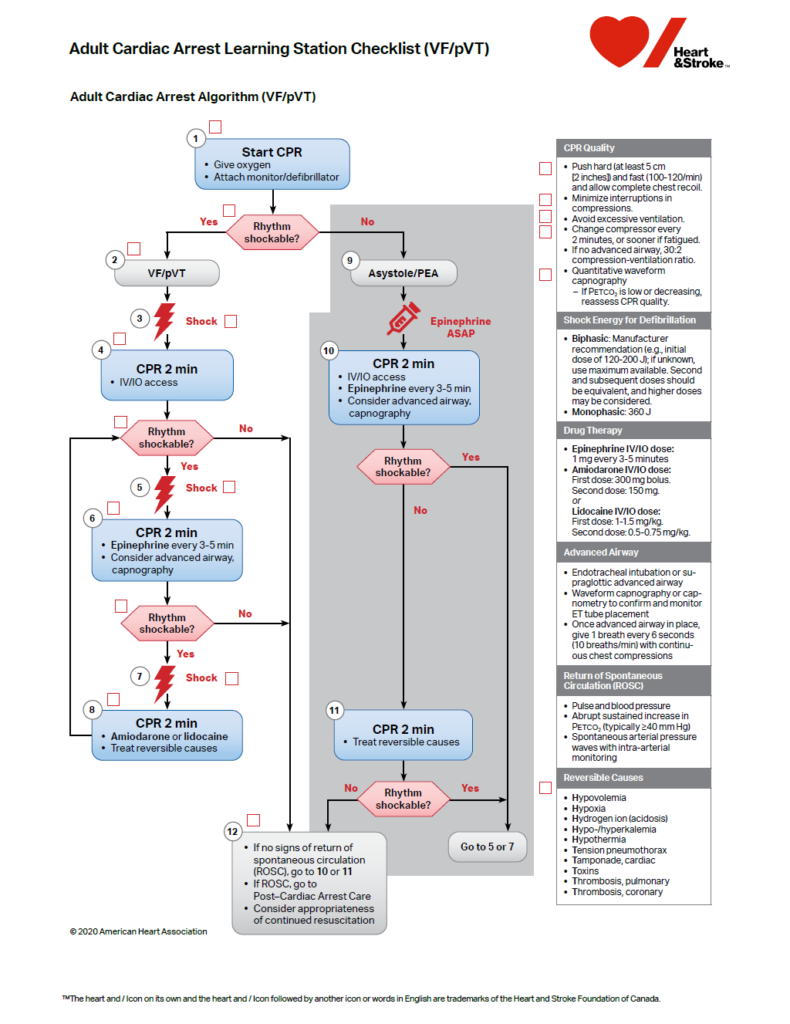
Cardiac arrest remains one of the leading causes of mortality worldwide, with over 40,000 out-of-hospital cardiac arrests (OHCA) occurring each year in Canada. In response to this reality, Heart and Stroke has developed and continues to refine the Advanced Cardiovascular Life Support (ACLS) algorithm for adult cardiac arrest. This algorithm has become the cornerstone of […]
Chest Compression Interruptions During Cardiopulmonary Resuscitation: Causes, Consequences and Minimization Strategies

High-quality cardiopulmonary resuscitation (CPR) is a crucial element for improving survival chances of cardiac arrest patients. Over the past decades, numerous studies have demonstrated the importance of minimizing chest compression interruptions to optimize coronary and cerebral perfusion. However, despite recommendations from scientific societies, chest compression interruptions remain frequent during cardiac arrest management, both in hospital […]
The CASA Protocol: Optimizing Ultrasound in Cardiac Arrest without Compromising CPR

Cardiac arrest remains a critical medical emergency where every second counts. The introduction of ultrasound in cardiac arrest management has opened new diagnostic and therapeutic perspectives. However, its use must not compromise the quality of cardiopulmonary resuscitation (CPR). The CASA (Cardiac Arrest Sonographic Assessment) protocol has been developed to integrate ultrasound effectively and safely into […]
Chest Compression Pauses During Pediatric CPR: A Key Survival Factor

Cardiopulmonary resuscitation (CPR) is a crucial element in the management of cardiac arrests, particularly in children. A recent study published in Circulation sheds new light on the importance of chest compression pauses during in-hospital pediatric CPR. Let’s examine in detail the results of this study and their implications for clinical practice. Study Context Each […]
Epinephrine in Out-of-Hospital Cardiac Arrest: In-Depth Analysis of the PARAMEDIC2 Study and Its Implications for Clinical Practice

Out-of-hospital cardiac arrest (OHCA) remains one of the most formidable challenges in our practice, with generally low survival rates despite advances in cardiopulmonary resuscitation (CPR) and post-cardiac arrest care. The use of epinephrine in this context has long been a cornerstone of our protocols, but its effectiveness and impact on neurological outcomes have been questioned […]
Airway Aspiration in Emergency Medicine: Comparing the Effectiveness of Suction Catheters
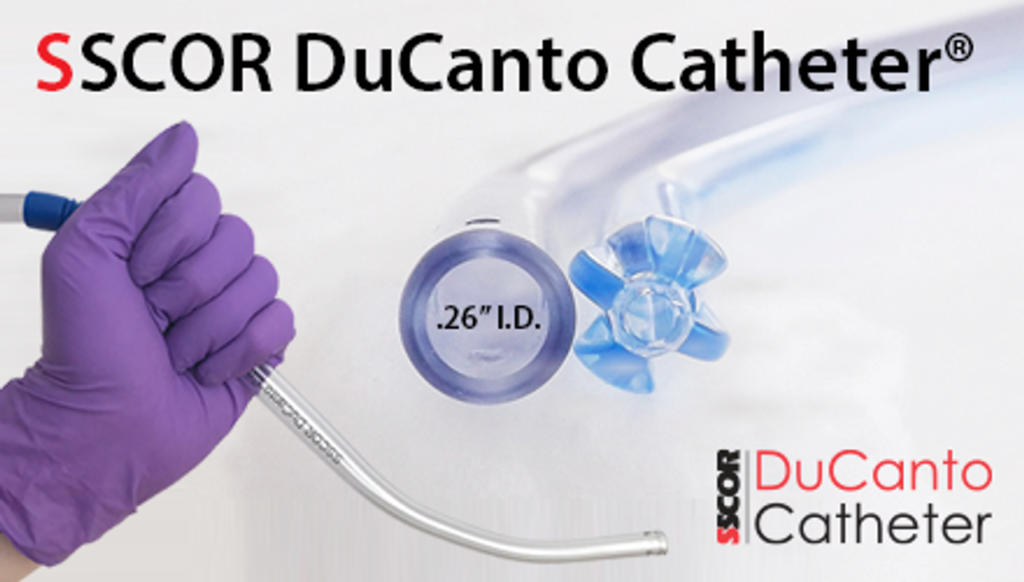
Airway aspiration is a crucial skill in emergency medicine. Whether during a difficult intubation, facing a regurgitating patient, or in case of upper airway hemorrhage, the ability to quickly and effectively clear the airway can make the difference between life and death. However, not all suction devices are created equal. A recent study by Finke […]
The SALAD Technique: A Revolution in Contaminated Airway Management

Airway management in emergency situations remains one of the most critical challenges faced by emergency physicians. Among the most dreaded scenarios is the intubation of a patient with contaminated airways, whether due to vomiting, blood, or other secretions. In these situations, the SALAD (Suction Assisted Laryngoscopy and Airway Decontamination) technique emerges as an innovative and […]
Adenosine Administration Techniques: A Comprehensive Guide for Healthcare Professionnals

Adenosine is a crucial medication in the arsenal of cardiovascular emergencies, particularly for the treatment of paroxysmal supraventricular tachycardia (PSVT). Its effectiveness largely depends on its method of administration, due to its extremely short half-life (less than 10 seconds). This article explores in detail the different techniques of adenosine administration, their advantages, disadvantages, and practical […]
