19% of compressions are correct. Your patients deserve better

Without optimal training and feedback, only 19% of chest compressions meet the standards (Pritchard et al.). PACE transforms your teams to achieve 85%+ compliance.

High-Performance Team Building · Real-Time Monitoring · Achieving 85%+ Compliance · Continuing Education Credits


About the PACE Program

PACE is your training and quality assurance program designed to improve the performance of cardiac resuscitation teams in hospitals.

Expected outcomes of PACE

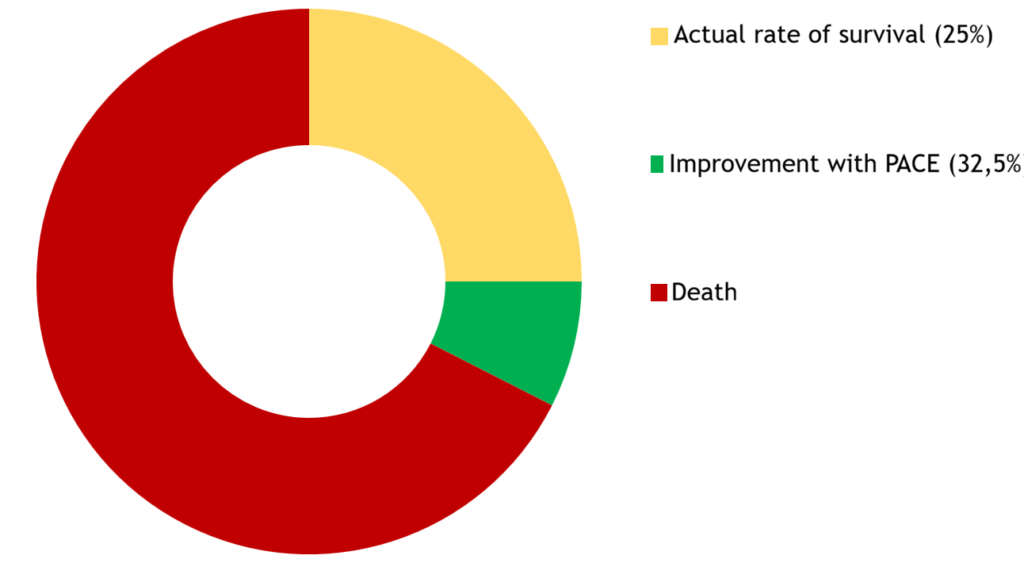
In Canada, the current survival rate for in-hospital cardiac arrests ranges from 18% to 25%. 

With PACE, this survival rate can rise to over 30%!

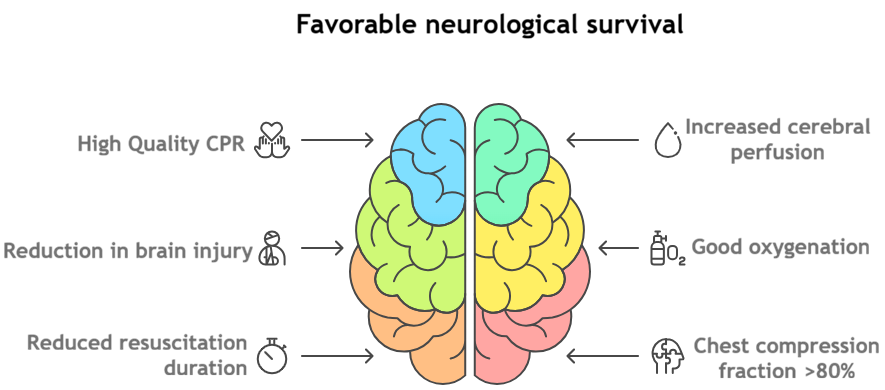
PACE significantly improves the favorable neurological prognosis for survivors of cardiac arrest.

PACE significantly improves the favorable neurological outcome for survivors of cardiac arrest. By optimizing the quality of chest compressions and minimizing interruptions in blood flow, PACE maximizes cerebral perfusion during resuscitation.  

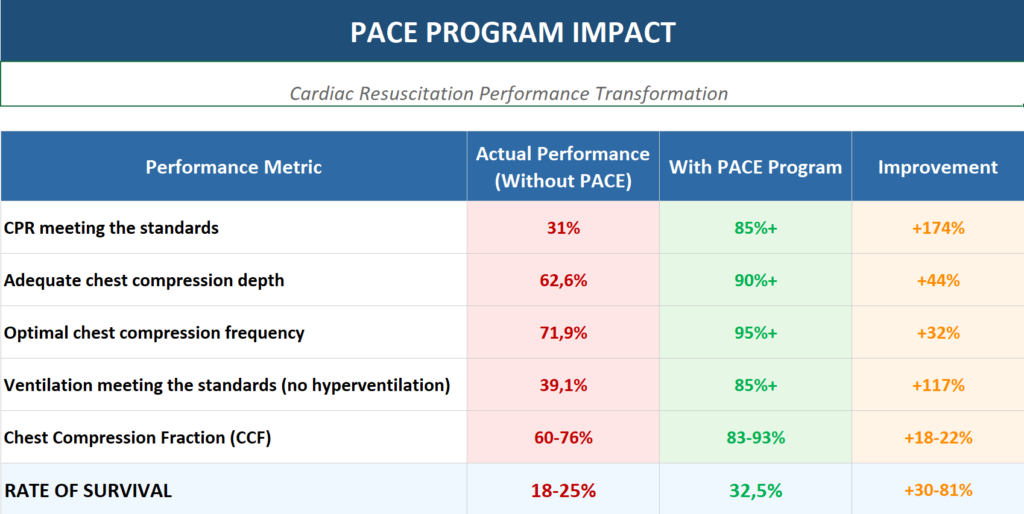
The PACE program has led to a marked improvement in performance metrics for cardiac resuscitation. CPR compliance has risen from 31% to 85%, adequate ventilation has jumped from 39% to 85%, and the chest compression rate has improved from 60% to 93%.

Cardiac Resuscitation - The Facts -

Abella et al. (2005) – JAMA

An alarming reality: 60.9% of cases involve hyperventilation during CPR

This study analyzed the quality of cardiopulmonary resuscitation during 67 in-hospital cardiac arrests.

Key finding: During the first 5 minutes of resuscitation, patients were hyperventilating (respiratory rate >20 breaths per minute) 60.9% of the time, whereas guidelines recommend 12–16 breaths per minute. 

Consequences: Hyperventilation increases intrathoracic pressure, reducing venous return and compromising coronary and cerebral perfusion—thereby decreasing the chances of survival.

Jones, Sara et al. (2020) – Pediatric critical care medicine

Even experienced professionals have a hard time minimizing interruptions.

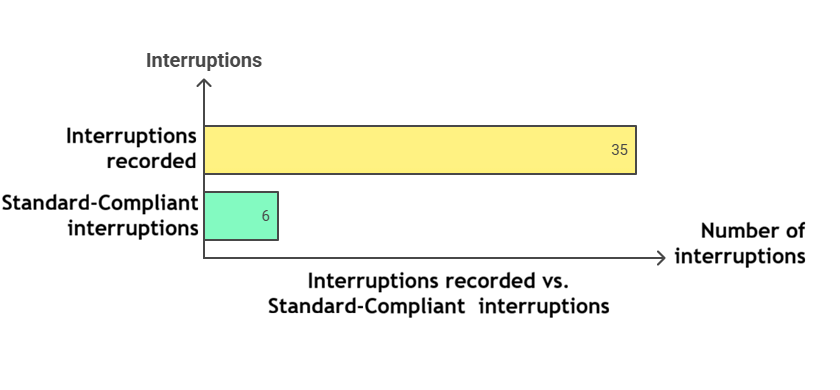
The study reveals that a team makes an average of 35 interruptions during 8 minutes of CPR, and that more than one-third of the interruption time is excessive and avoidable. 68% of teams do not meet the AHA threshold of ≥80% compression rate. By comparison, a high-performance team would make only 6 interruptions during the same duration of the procedure.

Maddani et al. (2022) – Indian Journal of Anaesthesia

Challenges of chest compression in a hospital setting

The study of 126 patients who suffered in-hospital cardiac arrest reveals concerning results: approximately 60% of patients did not receive the recommended threshold of 80% chest compression fraction (CCF).

This study shows that achieving optimal FCT remains a major challenge.

Ornato et al. (2012) – Resuscitation

Errors in Intensive Care: A Major Challenge

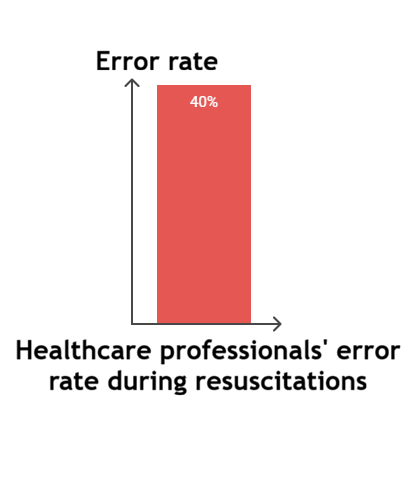
Healthcare professionals frequently make mistakes during cardiopulmonary resuscitation. A study of more than 118,000 in-hospital cardiac arrests reveals that 40% of cases involving shockable rhythms (VF/VT) involve at least one systemic error. These errors increase the risk of death by 34% for shockable rhythms. Even experienced physicians are not immune: 64.5% fail to meet recommended quality standards.

PACE Training Program 

What you’ll learn

Effective resuscitation relies on flawless coordination. PACE clearly defines three key roles that transform a team into a high-performance unit: the Resuscitation Assistant, who monitors and optimizes CPR quality in real time; the Scribe, who accurately documents and times each intervention; and the Team Leader, who makes treatment decisions and coordinates complex interventions. Each member understands not only their role, but also how their actions fit into the chain of survival.

Studies show that teams make an average of 35 interruptions during 8 minutes of CPR, more than a third of which are preventable. PACE teaches you to distinguish between necessary interruptions (defibrillation, changing the person performing compressions) and those that can be eliminated or drastically reduced. You will learn practical strategies to minimize the number of interruptions: preparing equipment in advance, ultra-fast communication, seamless coordination of role changes, and intubation without pausing compressions. Each interruption is timed and must adhere to the 10-second maximum rule.

ETCO₂ is not just a number on a monitor—it’s your real-time feedback on the effectiveness of resuscitation. PACE trains you to interpret ETCO₂ values to assess the quality of chest compressions, instantly detect the return of spontaneous circulation (a sudden increase), and quickly identify reversible causes of cardiac arrest. You will learn to use the ETCO₂ graph as a guide for real-time treatment decisions.

Mechanical CPR (LUCAS/AutoPulse): PACE teaches much more than just how to set up the device. You will master the seamless transition from manual to mechanical CPR with minimal interruptions, optimal piston positioning to maximize effectiveness, troubleshooting common issues (incorrect positioning, malfunctions), and, most importantly, how to strategically integrate mechanical CPR into your care algorithms (prolonged resuscitation, situations where manual quality is compromised).

Emergency Ultrasound (POCUS-AC): Ultrasound during CPR can either save a life (by identifying a reversible cause) or jeopardize it (if performed poorly with prolonged interruptions). SCORE trains you in optimized POCUS protocols: positioning and perfect synchronization with compression cycles, ultra-rapid image interpretation, and immediate communication of results to the team. The goal: to obtain critical diagnostic information in less than 10 seconds of interruption.

Intubation is the leading cause of prolonged interruptions. PACE revolutionizes your approach: optimized rapid laryngoscopy techniques, systematic use of the laryngeal mirror, the BURP maneuver for optimal glottic exposure, and rapid airway decontamination (S.A.L.A.D. technique). You will also learn when the laryngeal mask is the superior option to avoid intubation attempts that compromise perfusion. The rule is simple: if you cannot intubate within a 10-second interruption, you should not interrupt compressions.

PACE incorporates real-time feedback mechanisms that turn every resuscitation into a learning opportunity. The Resuscitation Assistant uses feedback tools to instantly monitor and correct depth (5–6 cm), rate (100–120/min), and full recoil, and to detect rescuer fatigue. The Scribe uses time-based alerts (15 seconds before transitions) to optimize coordination. After each event, structured debriefings with analysis of objective data help identify specific areas for improvement and track the team’s progress.

Effective resuscitation relies on flawless coordination. PACE clearly defines three key roles that transform a team into a high-performance unit: the Resuscitation Assistant, who monitors and optimizes CPR quality in real time; the Scribe, who accurately documents and times each intervention; and the Team Leader, who makes treatment decisions and coordinates complex interventions. Each member understands not only their role, but also how their actions fit into the chain of survival.

Studies show that teams make an average of 35 interruptions during 8 minutes of CPR, more than a third of which are preventable. PACE teaches you to distinguish between necessary interruptions (defibrillation, changing the person performing compressions) and those that can be eliminated or drastically reduced. You will learn practical strategies to minimize the number of interruptions: preparing equipment in advance, ultra-fast communication, seamless coordination of role changes, and intubation without pausing compressions. Each interruption is timed and must adhere to the 10-second maximum rule.

ETCO₂ is not just a number on a monitor—it’s your real-time feedback on the effectiveness of resuscitation. PACE trains you to interpret ETCO₂ values to assess the quality of chest compressions, instantly detect the return of spontaneous circulation (a sudden increase), and quickly identify reversible causes of cardiac arrest. You will learn to use the ETCO₂ graph as a guide for real-time treatment decisions.

Mechanical CPR (LUCAS/AutoPulse): PACE teaches much more than just how to set up the device. You will master the seamless transition from manual to mechanical CPR with minimal interruptions, optimal piston positioning to maximize effectiveness, troubleshooting common issues (incorrect positioning, malfunctions), and, most importantly, how to strategically integrate mechanical CPR into your care algorithms (prolonged resuscitation, situations where manual quality is compromised).

Emergency Ultrasound (POCUS-AC): Ultrasound during CPR can either save a life (by identifying a reversible cause) or jeopardize it (if performed poorly with prolonged interruptions). PACE trains you in optimized POCUS protocols: positioning and perfect synchronization with compression cycles, ultra-rapid image interpretation, and immediate communication of results to the team. The goal: to obtain critical diagnostic information in less than 10 seconds of interruption.

Intubation is the leading cause of prolonged interruptions. PACE revolutionizes your approach: optimized rapid laryngoscopy techniques, systematic use of the laryngeal mirror, the BURP maneuver for optimal glottic exposure, and rapid airway decontamination (S.A.L.A.D. technique). You will also learn when the laryngeal mask is the superior option to avoid intubation attempts that compromise perfusion. The rule is simple: if you cannot intubate within a 10-second interruption, you should not interrupt compressions.

PACE incorporates real-time feedback mechanisms that turn every resuscitation into a learning opportunity. The Resuscitation Assistant uses feedback tools to instantly monitor and correct depth (5–6 cm), rate (100–120/min), and full recoil, and to detect rescuer fatigue. The Scribe uses time-based alerts (15 seconds before transitions) to optimize coordination. After each event, structured debriefings with analysis of objective data help identify specific areas for improvement and track the team’s progress.

Customized training by discipline
For nurses

Comprehensive mastery of the roles of Resuscitation Assistant and Scribe through realistic simulations, use of feedback tools, coordination of defibrillation, management of mechanical CPR, and structured communication with the entire team.

For physicians

Medical leadership in resuscitation, integration of POCUS-AC ultrasound, airway optimization using advanced techniques, rapid decision-making based on objective data (ETCO₂, monitoring), effective team communication, and coordination of complex interventions.

Continuing Education Credits
Professional Recognition

The PACE program includes the Advanced Cardiovascular Life Support (ACLS) and Basic Life Support (BLS) courses, which qualify for continuing education credits:

For Physicians: The Cardiopulmonary Resuscitation (CPR) training course offers 4 continuing education credits. The Advanced Cardiovascular Life Support (ACLS) training course allows you to earn up to 32 additional continuing education credits.

For Nurses: Cardiopulmonary resuscitation (CPR) training provides 2 hours of continuing education. Advanced Cardiopulmonary Resuscitation (ACPR) training provides up to 16 additional hours of recognized continuing education.

Enhance your team’s excellence while meeting your continuing education requirements.

What our customers say

“He demonstrated a thorough understanding of the subject matter and was very comfortable answering questions.”

François Couturier

Senior Advisor for Nursing Quality and Safety, CISSS de la Gaspésie

“Jean-François Comeau has been an invaluable asset to our pediatric resuscitation training program. His thoroughness, expertise, respect for participants, and adaptability have contributed to the success of the training sessions.”

Catherine Blais-Morin, MD, CCMF, FCMF

Clinical Professor, DMFMU, Laval University; Teaching Assistant, GMF-U de Gaspé

PACE Quality Assurance Program

The PACE quality assurance program does more than just train your teams—it establishes a continuous system of monitoring, analysis, and improvement that ensures excellence in critical care becomes the standard at your facility.

The quality of CPR cannot be optimized without objective measurement. PACE incorporates real-time feedback mechanisms that turn every resuscitation into an opportunity for excellence.

For chest compressions: The devices provide immediate feedback on critical parameters: compression depth (5–6 cm), rate (100–120/min), full release, and chest compression fraction (CCF). The team can instantly see whether the quality is optimal or requires adjustments, allowing for immediate corrections rather than post-event assessments.

For ventilation: PACE also uses ventilatory monitoring devices that measure respiratory rate and tidal volume in real time. These devices instantly detect hyperventilation and alert the team to maintain optimal ventilation (10 breaths per minute, volume of 430–500 mL). Hyperventilation increases intrathoracic pressure, reduces venous return, and severely compromises the effectiveness of chest compressions.

The impact is immediate: studies show that only centers that systematically use real-time feedback achieve ≥80% high-quality CPR. Without this feedback, even after intensive training, 64.5% of professionals—including physicians—do not meet the recommended standards.

Every cardiac arrest generates valuable data, but this data is useless unless it is systematically captured and analyzed. PACE implements a standardized data collection system that automatically documents:

CPR quality metrics:

Chest compression fraction (CCF) – target >80%, ideally >90%
Average depth and percentage of compliant compressions (5–6 cm)
Average rate and compliance (100–120/min)
Number and duration of each interruption
Pre-shock and post-shock intervals
ETCO₂ values during resuscitation

Ventilation quality metrics:

Average respiratory rate (target: 10/minute)
Percentage of time in hyperventilation (>10/minute)
Average tidal volume (target: 430–500 mL)
Percentage of ventilations with excessive volume

Process metrics:

Time to first defibrillation (target <2 minutes)
Time to first vasopressor (target <5 minutes)
Duration of intubation and associated interruptions
Duration of echocardiographic assessments
Time to installation of mechanical devices (LUCAS/AutoPulse)

Clinical outcomes:

Return of Spontaneous Circulation (ROSC)
24-hour survival
Survival at hospital discharge
Neurological status (CPC/mRS)

This data is extracted from defibrillators, compression and ventilation feedback devices, and medical records, then integrated into visual dashboards that enable a quick and clear analysis of your performance.

The immediate debriefing is the first critical step in continuous improvement. PACE establishes a protocol for an immediate debriefing, which must be conducted within 5 to 15 minutes of the end of resuscitation, while the event is still fresh in the team’s memory and emotions can be addressed.

Objectives of the immediate debriefing:

Emotional validation of the team: Acknowledge the intensity of the event and the stress experienced
Quick identification of strengths: Celebrate what went well
Recognition of obvious opportunities for improvement: Note major issues without in-depth analysis
Preparation for the formal debriefing: Identify questions to explore in greater detail

PACE Protocol for the Immediate Debriefing:

PACE provides you with a structured method and a turnkey protocol to facilitate these immediate debriefings:

Guiding questions for the debriefing leader
Checklist of essential elements to cover
Facilitation techniques to create a psychologically safe environment
Process for documenting preliminary observations

The immediate debriefing is not an in-depth analysis—it is a collective acknowledgment of the event and an initial identification of key points. It prepares the team for the formal debriefing that will follow, using objective data.

Post-resuscitation debriefing is one of the most powerful tools for quality improvement, but it must be structured and based on objective data to be effective. PACE establishes a protocol for systematic debriefing within 24–48 hours of each cardiac arrest.

Structure of the PACE debriefing:

Review of quantitative data: Analysis of quality metrics (CPR, depth, rate, interruptions, ventilation) compared to targets
Identification of strengths: Which actions were performed well and should be maintained?
Identification of opportunities for improvement: What specific errors were made? Which interruptions were avoidable? Was there hyperventilation?
Root cause analysis: Why did these errors occur? Was it a problem with skills, coordination, equipment, or the system?
Concrete action plan: What specific interventions will be implemented? Additional training? Protocol changes? Reorganization of equipment?

The debriefing is not a blame game—it is an opportunity for collective learning in a psychologically safe environment. Objective data replaces subjective opinions, enabling factual and constructive discussions.

PACE generates monthly and quarterly reports that allow you to track your performance over time and identify trends:

Monthly report:

Number of cardiac arrests
Average CCF and percentage of events reaching >80%
Average respiratory rate and percentage of time spent hyperventilating
Performance by shift (day/evening/night, weekday/weekend)
Median time to critical interventions (defibrillation, vasopressors)
ROSC and survival rates

Quarterly report:

Comparative analysis with previous quarters
Identification of improvements and setbacks
Analysis by location (ICU, emergency department, general wards)
Impact of implemented improvement initiatives
Recommendations for the next quarter

These reports enable your resuscitation committee and leadership to clearly see the return on investment of the PACE program and make informed decisions regarding improvement priorities.

Sustainable improvement requires more than just initial training—it requires ongoing support. PACE offers:

Quarterly coaching sessions with in-depth analysis of your data and personalized recommendations for your facility

Technical support for the optimal use of feedback devices (compression and ventilation) and troubleshooting

Semiannual skills retention drills targeting gaps identified in your debriefings and reports

The PACE quality assurance program leads to documented and sustainable improvements:

Gradual increase in the CCF: to reach 85–90%
Reduction in interruptions during resuscitation
Reduction in hyperventilation
Increase in the ROSC rate: improvement of 30–35%
Improved survival: 30% increase

The PACE quality assurance program helps you comply with the recommendations of the Heart and Stroke Foundation. Systematic documentation, structured debriefings, and performance reports demonstrate your commitment to continuously improving the quality of care.

PACE fosters a culture of excellence where every resuscitation is a learning opportunity, every piece of data drives improvement, and every team member actively contributes to saving more lives.

The PACE quality assurance program does more than just train your teams—it establishes a continuous system of monitoring, analysis, and improvement that ensures excellence in critical care becomes the standard at your facility.

The quality of CPR cannot be optimized without objective measurement. PACE incorporates real-time feedback mechanisms that turn every resuscitation into an opportunity for excellence.

For chest compressions: The devices provide immediate feedback on critical parameters: compression depth (5–6 cm), rate (100–120/min), full release, and chest compression fraction (CCF). The team can instantly see whether the quality is optimal or requires adjustments, allowing for immediate corrections rather than post-event assessments.

For ventilation: PACE also uses ventilatory monitoring devices that measure respiratory rate and tidal volume in real time. These devices instantly detect hyperventilation and alert the team to maintain optimal ventilation (10 breaths per minute, volume of 430–500 mL). Hyperventilation increases intrathoracic pressure, reduces venous return, and severely compromises the effectiveness of chest compressions.

The impact is immediate: studies show that only centers that systematically use real-time feedback achieve ≥80% high-quality CPR. Without this feedback, even after intensive training, 64.5% of professionals—including physicians—do not meet the recommended standards.

Every cardiac arrest generates valuable data, but this data is useless unless it is systematically captured and analyzed. PACE implements a standardized data collection system that automatically documents:

CPR quality metrics:

Chest compression fraction (CCF) – target >80%, ideally >90%
Average depth and percentage of compliant compressions (5–6 cm)
Average rate and compliance (100–120/min)
Number and duration of each interruption
Pre-shock and post-shock intervals
ETCO₂ values during resuscitation

Ventilatory quality metrics:

Average respiratory rate (target: 10/minute)
Percentage of time in hyperventilation (>10/minute)
Average tidal volume (target: 430–500 mL)
Percentage of ventilations with excessive volume

Process metrics:

Time to first defibrillation (target <2 minutes)
Time to first vasopressor (target <5 minutes)
Duration of intubation and associated interruptions
Duration of echocardiographic assessments
Time to installation of mechanical devices (LUCAS/AutoPulse)

Clinical outcomes:

Return of Spontaneous Circulation (ROSC)
24-hour survival
Survival at hospital discharge
Neurological status (CPC/mRS)

This data is extracted from defibrillators, compression and ventilation feedback devices, and medical records, then integrated into visual dashboards that enable a quick and clear analysis of your performance.

The immediate debriefing is the first critical step in continuous improvement. PACE establishes a protocol for an immediate debriefing, which must be conducted within 5 to 15 minutes of the end of resuscitation, while the event is still fresh in the team’s memory and emotions can be addressed.

Objectives of the immediate debriefing:

Emotional validation of the team: Acknowledge the intensity of the event and the stress experienced
Quick identification of strengths: Celebrate what went well
Recognition of obvious opportunities for improvement: Note major issues without in-depth analysis
Preparation for the formal debriefing: Identify questions to explore in greater detail

PACE Protocol for the Immediate Debriefing:

PACE provides you with a structured method and a turnkey protocol to facilitate these immediate debriefings:

Guiding questions for the debriefing leader
Checklist of essential elements to cover
Facilitation techniques to create a psychologically safe environment
Process for documenting preliminary observations

The immediate debriefing is not an in-depth analysis—it is a collective acknowledgment of the event and an initial identification of key points. It prepares the team for the formal debriefing that will follow, using objective data.

Post-resuscitation debriefing is one of the most powerful tools for quality improvement, but it must be structured and based on objective data to be effective. PACE establishes a protocol for systematic debriefing within 24–48 hours of each cardiac arrest.

Structure of the PACE debriefing:

Review of quantitative data: Analysis of quality metrics (CPR, depth, rate, interruptions, ventilation) compared to targets
Identification of strengths: Which actions were performed well and should be maintained?
Identification of opportunities for improvement: What specific errors were made? Which interruptions were avoidable? Was there hyperventilation?
Root cause analysis: Why did these errors occur? Was it a problem with skills, coordination, equipment, or the system?
Concrete action plan: What specific interventions will be implemented? Additional training? Protocol changes? Reorganization of equipment?

The debriefing is not a blame game—it is an opportunity for collective learning in a psychologically safe environment. Objective data replaces subjective opinions, enabling factual and constructive discussions.

PACE generates monthly and quarterly reports that allow you to track your performance over time and identify trends:

Monthly report:

Number of cardiac arrests
Average CCF and percentage of events reaching >80%
Average respiratory rate and percentage of time spent hyperventilating
Performance by shift (day/evening/night, weekday/weekend)
Median time to critical interventions (defibrillation, vasopressors)
ROSC and survival rates

Quarterly report:

Comparative analysis with previous quarters
Identification of improvements and setbacks
Analysis by location (ICU, emergency department, general wards)
Impact of implemented improvement initiatives
Recommendations for the next quarter

These reports enable your resuscitation committee and leadership to clearly see the return on investment of the PACE program and make informed decisions regarding improvement priorities.

PACE allows you to compare your performance against national and international standards:

Your facility’s average CCF vs. the Heart and Stroke target of ≥80%
Your response times vs. recommendations (<2 min for defibrillation, <5 min for vasopressors)
Your average respiratory rate vs. the target of 10 breaths per minute
Your hyperventilation rate vs. data showing that 68% of the time, patients are hyperventilating in standard resuscitation settings
Your ROSC rate vs. data from the GWTG-Resuscitation registry
Your survival rate vs. the national average (18–25%)

This benchmarking quickly identifies your strengths and your top priorities for improvement. If your average CPR compliance is 76% while the target is 80%, you know exactly how much you need to improve. If your defibrillation times are excellent but your compressions are subpar, you know where to focus your efforts.

Sustainable improvement requires more than just initial training—it requires ongoing support. PACE offers:

Quarterly coaching sessions with in-depth analysis of your data and personalized recommendations for your facility

Technical support for the optimal use of feedback devices (compression and ventilation) and troubleshooting

Semiannual skills retention drills targeting gaps identified in your debriefings and reports

The PACE quality assurance program leads to documented and sustainable improvements:

Gradual increase in the CCF: to reach 85–90%
Reduction in interruptions during resuscitation
Reduction in hyperventilation
Increase in the ROSC rate: improvement of 30–35%
Improved survival: 30% increase

The PACE quality assurance program helps you comply with the recommendations of the Heart and Stroke Foundation. Systematic documentation, structured debriefings, and performance reports demonstrate your commitment to continuously improving the quality of care.

PACE fosters a culture of excellence where every resuscitation is a learning opportunity, every piece of data drives improvement, and every team member actively contributes to saving more lives.

PACE fosters a culture of excellence where every resuscitation is an opportunity to learn, every piece of data drives improvement, and every team member actively contributes to saving more lives.

Our satisfied customers

Gabriel D. profile picture
Gabriel D.
1 year ago
Bonne formation d’ACLS, formateur se tient à jour dans la plus récente literature de réanimation. Très agréable 🙂
Sandra C. profile picture
Sandra C.
1 year ago
Mais S. profile picture
Mais S.
1 year ago
Instructeur génial !
Corey R. profile picture
Corey R.
1 year ago
cervantes G. profile picture
cervantes G.
1 year ago
William V. profile picture
William V.
1 year ago
Très bonne formation complète avec un formateur à jour dans ses données probantes et très pédagogique.
Stéphane L. profile picture
Stéphane L.
1 year ago
Cours bien structuré, enseignant disponible et dynamique, excellente formation SARC.
Annie D. profile picture
Annie D.
1 year ago
Fannie L. profile picture
Fannie L.
1 year ago
Un cours très pratique pour remettre nos connaissances à jour !

Merci