

Why Your Resuscitation Guidelines Gather Dust: The Knowledge-to-Action Framework as a Solution
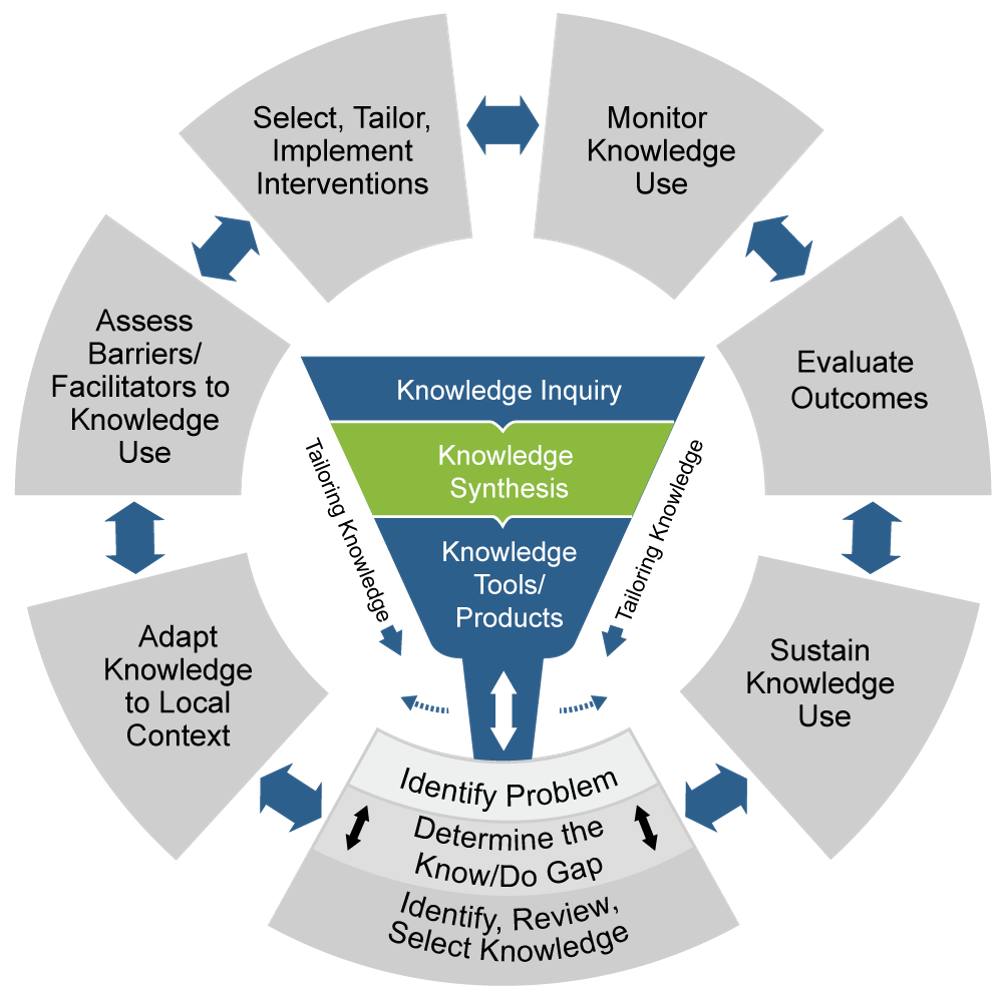
📌 Key Points Evidence in resuscitation is abundant, yet its integration into clinical practice remains slow and uneven across hospitals. The Knowledge-to-Action (KTA) framework offers a structured 7-step methodology to move from research to concrete action. Implementation barriers fall into three categories: knowledge barriers, individual barriers, and organizational barriers. Early stakeholder engagement — clinicians, middle […]
When the Resuscitation Team Reports Barriers, CPR Quality Suffers: The Evidence
📌 Key Points In 42.5% of in-hospital cardiac arrests, resuscitation team members report at least one barrier that compromised the quality of their response. The presence of barriers is associated with a 45% reduction in the odds of achieving a guideline-compliant chest compression fraction (CCF) (≥80%). Among the three barrier categories studied (optimal resuscitation, teamwork, […]
The 1 mg Epinephrine Dose in Cardiac Arrest: A Tradition Disguised as Medicine

Imagine someone asks why you do something a certain way. You answer: “Because we’ve always done it that way.” In most fields, that answer would earn a condescending look. In emergency medicine, it has sometimes persisted for decades without being questioned. That is exactly what happened with the 1 mg epinephrine dose in cardiac arrest. […]
Why Your CPR Feedback Devices Are Gathering Dust: What Clinicians’ Real-World Experience Reveals
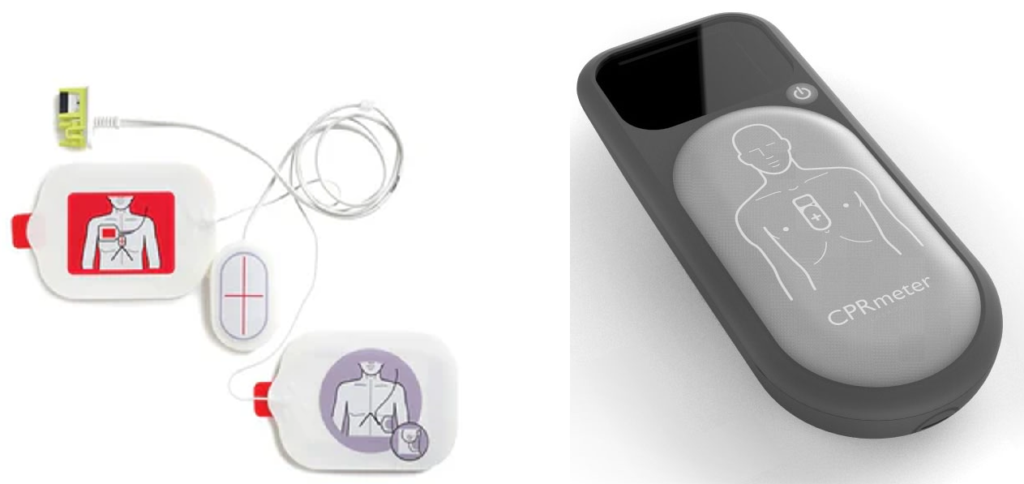
The devices exist, the evidence is clear — so why does use remain so inconsistent? A qualitative study identifies the real barriers and concrete solutions. 🎯 Key Points Chest compression feedback devices (CCFDs) improve CPR quality and are recommended by the AHA, but their use in clinical practice remains inconsistent and often abandoned. The CPR […]
Why Your CPR Feedback Devices Are Gathering Dust: What Frontline Clinical Experience Reveals
The devices exist, the evidence is clear — so why does usage remain so inconsistent? A qualitative study identifies the real barriers and concrete solutions. 🎯 Key Takeaways Chest compression feedback devices (CCFDs) improve CPR quality and are recommended by the AHA, but their use in clinical practice remains inconsistent and often abandoned. The CPR […]
Transesophageal Echocardiography in Cardiac Arrest: Revolutionary Tool or Niche Technology?
I’ll translate this article into English for you. A narrative review examines the why, how, when, and where of TEE during resuscitation — and what is still missing to justify widespread adoption 🎯 Key Points Transesophageal echocardiography (TEE) enables continuous, high-resolution cardiac imaging during chest compressions — a major advantage over transthoracic echocardiography (TTE), which […]
Your Team Is ACLS Certified. That Doesn’t Mean They’re Ready.

There’s a question I ask every Director of Care, every resuscitation team leader, every physician responsible for a quality program. A simple question that almost no one can honestly answer. During your last code blue — not the simulation, the real one, in the room — were the compressions at the right depth? Were the […]
The CPR Coach: A Major Innovation in Modern Resuscitation – A Comprehensive Guide for Emergency Physicians
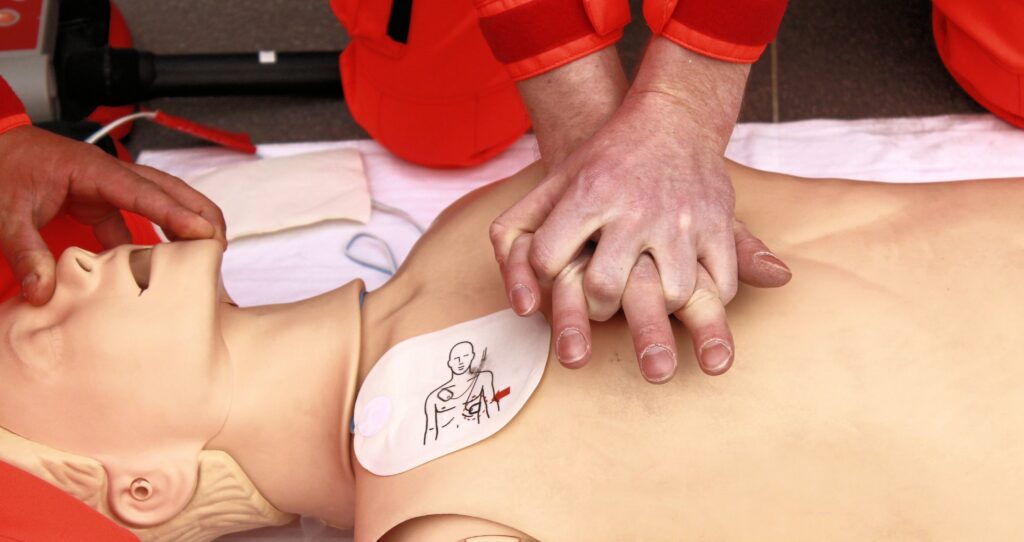
It’s 3 AM in the emergency department when the code blue alarm sounds. A 45-year-old patient in cardiac arrest has just arrived. As in the majority of North American hospitals, the reality is striking: despite advances in resuscitation, only 25% of patients in in-hospital cardiac arrest survive to discharge. The statistics are even more alarming: […]
Pulse Check During Cardiac Arrest: An In-depth Analysis of Clinical Challenges

Emergency medicine relies on precise and rapid actions, where every second can make the difference between life and death. Among these essential actions, pulse check during cardiac arrest paradoxically represents one of the most complex, even for experienced healthcare professionals. This reality, long underestimated, deserves an in-depth analysis to understand its implications in cardiac arrest […]
IO vs IV Access in Prehospital Cardiac Arrest: An In-Depth Analysis of the PARAMEDIC-3 Study

The history of emergency medicine is marked by debates about best practices in resuscitation. Vascular access in cardiac arrest represents one of the oldest and most persistent of these debates. From the introduction of intraosseous (IO) access in the 1920s by Drinker and colleagues, to its renaissance in the 1980s, the emergency medical community has […]
